First-Time Buyer’s Guide: What You Need to Know Before Jumping In
Buying your first home is exciting—but it can also be overwhelming. Between mortgage approvals, bidding wars, legal documents, and choosing the right home, the process can feel like a rollercoaster. But with the right planning and support, first-time buyers can confidently step into homeownership in 2025.
Start by figuring out what you can afford. Before browsing listings, speak to a mortgage broker or bank for pre-approval. This gives you a clear sense of your buying power and helps narrow your search. Don’t forget to factor in closing costs, land transfer tax, lawyer fees, and home inspections—these can add up to 2–4% of the purchase price.
In Ontario, there are great incentives for first-time buyers. The First-Time Home Buyer Incentive offers shared equity from the government, while Ontario’s land transfer tax rebate can save you up to $4,000. In Toronto, you also qualify for a municipal rebate if buying within city limits.
Next, build your ‘must-have’ list. Consider things like commute, school zones, condo fees, parking, outdoor space, and future family plans. Be realistic—most first-time buyers need to compromise on size or location.
Choose a realtor who specializes in first-time buyers. A good agent will help you understand offer conditions, ensure you don’t overpay, and walk you through everything from showings to closing. Ask questions. There are no bad questions when you’re making one of the biggest purchases of your life.
The offer process can be intense. In competitive areas, you may be bidding against multiple buyers. Decide on your maximum limit ahead of time and stick to it. No home is worth financial stress.
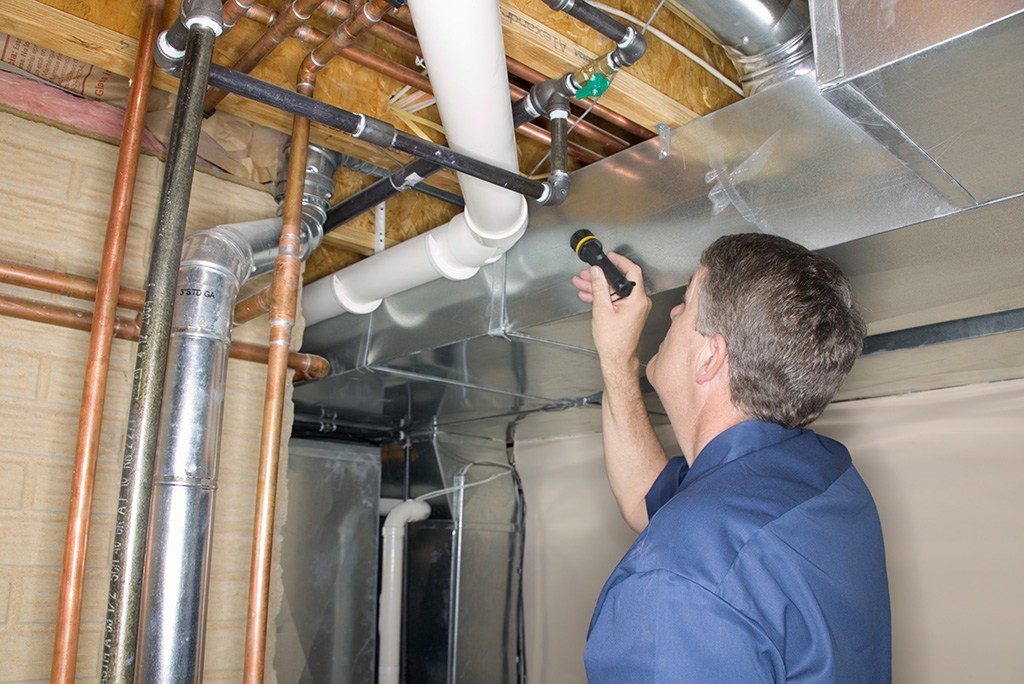
Once your offer is accepted, your realtor and lawyer handle the paperwork. You’ll provide a deposit, finalize your mortgage, and conduct a home inspection (if not waived). Your lawyer will review the title, calculate final costs, and handle the transfer of ownership on closing day.
Don’t forget about after-purchase responsibilities: set up home insurance, connect utilities, and consider a maintenance fund. Owning a home is more than just paying the mortgage—it involves upkeep, repairs, and long-term planning.
Common mistakes to avoid: skipping the inspection, buying based on emotion, not budgeting for repairs, and overextending yourself financially. It’s better to buy a smaller home you love than stretch your budget for something that leaves you stressed.
Your first home won’t be your last. Think of it as a stepping stone—a place to build equity and experience. The real estate market rewards patience, preparedness, and smart planning. Welcome to the journey!
Categories
Recent Posts